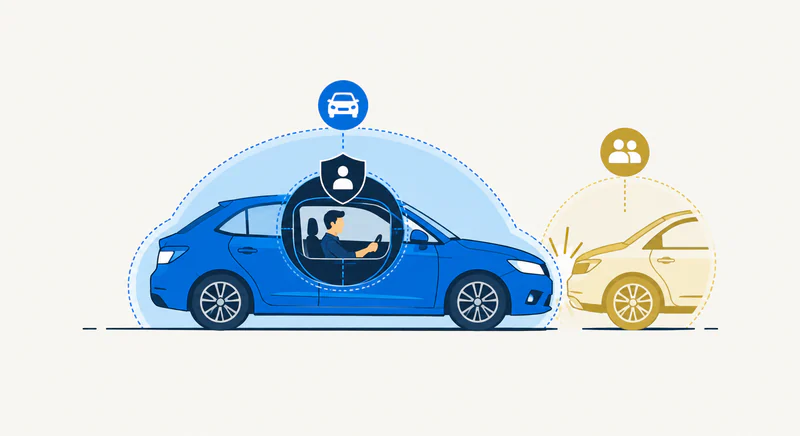
"What could possibly happen in a week in Europe?" - That's the question I hear most often. The answer? A lot. A single day of hospitalization in the US can cost thousands of dollars. Medical evacuation by air ambulance from Asia to Israel? Tens to hundreds of thousands of dollars, depending on distance and medical condition. And that's before we even talk about a lost suitcase, a canceled flight, or an accident at a ski resort. In this guide, we'll cover everything you need to know to travel abroad with peace of mind - without overpaying.
Why Do You Even Need Travel Insurance?
Let's start with the facts: your Israeli health insurance - your HMO, supplemental coverage, even private insurance - is generally not valid abroad. The moment you leave the country, your medical coverage is very limited. Many hospitals abroad may request insurance details or financial guarantee, particularly after initial emergency treatment. And that's without mentioning extreme cases like medical evacuation.
Here are some cost estimates worth remembering (prices vary by location and circumstances): emergency helicopter evacuation in the region - tens of thousands of dollars. International air ambulance - tens to hundreds of thousands of dollars. A regular hospital day in Europe - hundreds to thousands of dollars. A hospital day in the US - thousands of dollars and up. Emergency surgery abroad - tens of thousands of dollars or more.
“A few months ago, one of my clients broke his leg at a ski resort in Austria. Without insurance, he would have paid over 80,000 shekels out of pocket for the surgery and hospitalization. With insurance that cost him 150 shekels for the week - most of the costs were covered according to the policy terms.”
— Edi Efraimov
How Much Does Travel Insurance Cost? (2026 Price Guide)
Travel insurance prices vary based on destination, age, trip duration, and required coverage. Here are example price ranges based on market experience - these are not binding prices and may vary significantly between companies, insured's age, health status, and policy terms:
Basic Insurance (Young, Healthy Person in Their 30s)
- Europe, one week: $14-35 ($2-5 per day)
- Asia (Thailand, Japan, India): $17-42 ($2.5-6 per day)
- USA and Canada: $28-55 ($4-8 per day) - more expensive due to high medical costs
- South America: $20-45 ($3-6 per day)
- Australia and New Zealand: $22-48 ($3-7 per day)
Add-ons and Extensions
- Winter sports (skiing, snowboarding): +$8-17 per day
- Extreme sports (diving, climbing, rafting): +$6-11 per day
- Trip cancellation: +15-30% of basic insurance cost
- Extended COVID coverage: +$3-7 for entire trip
- Expensive equipment coverage (camera, laptop): +$8-22 per trip
Important tip: Prices for people over 60-65 are significantly higher - sometimes 2-3 times more. If you have an existing medical condition, it may affect the price or require a special health declaration.
What Does Insurance Cover? (The Important Coverage)
Medical Coverage - The Core of Every Policy
This is the most important coverage. A good policy typically includes: medical expenses for hospitalization and outpatient care (choose high coverage based on your trip type), 24/7 emergency services in Hebrew, medical evacuation to Israel, transfer to appropriate hospital, and prescription medications. The appropriate coverage level depends on destination, trip duration, and personal needs.
Baggage and Property Coverage
- Lost or stolen luggage: up to $800-1,400
- Baggage delay (12-24 hours): $140-420 for essential purchases
- Documents and passport: up to $550
- Electronic equipment (with extension): up to $1,400-2,800
Trip Cancellation and Interruption
This coverage reimburses you if you had to cancel or cut short your trip for justified reasons: illness or injury to you or a family member, death in the family, military reserve duty call-up, and sometimes security events at your destination. Note: "I changed my mind" or "I was scared to travel" are not considered justified reasons under a standard policy.
Third-Party Liability
If you accidentally injure someone or damage someone else's property - the insurance covers it. This is included at no extra cost in most policies with coverage of $50,000-$100,000.
COVID-19 Coverage - What to Know in 2026
Although the pandemic is behind us, COVID still exists and can surprise you. Here's what you need to know:
What's Covered?
- Medical expenses from COVID infection abroad - covered by most policies
- Hospitalization due to COVID - covered
- Delay in returning home due to mandatory quarantine - up to $200/day for extended stay, up to $2,000 for flight changes
- Trip cancellation due to positive diagnosis before departure - up to $5,000 (with special extension)
What's NOT Covered?
- COVID test as a condition for entry to a country - this isn't a medical expense
- General lockdown in destination or Israel
- Personal decision not to travel due to fear of infection
Tip: If comprehensive COVID coverage is important to you, look for a dedicated extension called "Comprehensive COVID" - it costs an additional $3-7 and significantly expands coverage.
Extreme Sports and Ski Vacations - Pay Attention!
This is one of the most common mistakes: people buy regular insurance and go skiing, diving, or trekking - then discover they're not covered. In most standard policies, extreme sports activities are excluded from coverage - it's important to check your specific policy terms.
Winter Sports Extension (Skiing, Snowboarding)
If you're going on a ski vacation - you must have a dedicated extension. Note: skiing is NOT included in the "extreme sports" extension but in a separate "winter sports" extension. The extension covers: skiing and snowboarding injuries, slope evacuation, refund for unused ski days, and equipment damage (in some policies).
Extreme Sports Extension
Covers a wide range of activities:
- Water sports: diving (subject to certification), rafting, kitesurfing, jet skis, surfing
- High altitude sports: skydiving, bungee jumping, mountain climbing up to 6,000 meters, hot air balloons
- Land sports: long treks, mountain biking, horseback riding, ATVs
- Search and rescue from remote locations - critical for nature hikes
Important: Not every trek is considered "extreme." A short walk on a marked trail doesn't require an extension. But a serious trek - with overnight camping, altitude over 2,000 meters, or remote areas - does.
Medical Evacuation - The Coverage Nobody Thinks About
Medical evacuation is the most expensive and most critical coverage - and also the most neglected. When you're in a serious medical condition abroad, sometimes the only solution is to transfer you to an appropriate hospital or back to Israel.
Medical Evacuation Costs (Without Insurance)
Cost estimates (vary by location, medical condition, and service provider): Local emergency helicopter - tens of thousands of dollars. Air ambulance from Europe to Israel - tens to over a hundred thousand dollars. Air ambulance from Asia or America - a hundred thousand dollars and up, sometimes significantly more in complex cases. Evacuation from remote location (Nepal, Peru, Africa) - up to hundreds of thousands of dollars. Commercial flight with stretcher and medical escort - tens of thousands of dollars plus multiple flight tickets.
Recommendation: Make sure you have adequate medical evacuation coverage for international transport. Traveling to a remote destination like South America or Nepal? Consider higher coverage limits.
Popular Destinations - What You Need to Know
Europe
The most popular destination for Israelis and typically the cheapest for insurance. Medical care is high quality, costs are relatively reasonable. Choose medical coverage based on industry recommendations and personal needs. Note: Some Schengen countries require proof of insurance upon entry.
USA and Canada
The most expensive destination for insurance - and for good reason. Medical costs in the US are among the highest in the world. Many hospitals may request insurance details or financial guarantee. High medical coverage is typically recommended for this destination. Compare different insurance companies and choose a policy with appropriate coverage for your personal needs.
Asia (Thailand, Japan, India, Vietnam)
A very popular destination for Israelis, especially for long trips. Medical costs vary greatly between countries. Thailand - quality private healthcare at reasonable prices. India - great variation in hospital quality. If planning treks or extreme activities - extension is mandatory. Medical evacuation coverage is critical due to the distance from Israel.
South America
Trips to Peru, Argentina, Brazil, and Chile require special attention: high altitude (Machu Picchu, for example) - make sure insurance covers altitude sickness. Remote areas - search and rescue coverage is essential. Medical evacuation costs are very high due to the distance.
Why Do Claims Get Rejected? (And How to Avoid It)
Common reasons for claim rejection - and how to prevent them:
- Intoxication or drug influence: In many cases, injury while under the influence of alcohol or drugs may void coverage - according to specific policy terms
- Extreme sports without extension: Always check if the activity is covered before you do it
- Undisclosed pre-existing condition: If you have a medical condition - report it in advance. Better to pay a bit more than discover you're not covered
- Insufficient documentation: Keep every receipt, police report, medical certificate. Photograph everything
- Late reporting: There are deadlines for reporting insurance cases. Report immediately
- Travel to area with travel advisory: If the Foreign Ministry advises against traveling to a certain destination - insurance may not cover
Travel Insurance Companies in Israel
Here are some of the leading companies in the Israeli market (recommended to compare quotes before purchasing):
- PassportCard - Company specializing in travel insurance, offers an app for policy management
- Harel - One of Israel's largest companies, wide range of travel policies
- AIG - International company with presence in Israel
- Migdal - Offers policies with high medical coverage
- Menora - Various options at competitive prices
- Clal - Offers flexibility in purchase timing and various extensions
Note: This is not an official ranking and does not constitute a specific recommendation. Policy terms, prices, and service quality may vary. It's recommended to compare quotes from several companies and carefully read the policy terms before purchasing.
Prefer personal advice? I'm here
If you're not sure which policy suits you, I'd be happy to do a personalized comparison for you - free and with no obligation.
10 Tips That Will Save You Money and Headaches
- Buy insurance immediately after booking your flight - that way trip cancellation is also covered
- Compare prices - there are 30-50% gaps between companies for similar policies. Use comparison sites
- Read the exclusions - what's NOT covered is more important than what is
- Check if you have insurance through your credit card - some cards include basic insurance. But verify the coverage
- Match insurance to your trip type - a beach vacation doesn't need the same insurance as a Himalayan trek
- Save the insurance company's phone number on your mobile - you'll need it exactly when there's no internet
- Photograph the policy and email it to yourself - have a backup
- Report insurance cases immediately - don't wait until you return home
- Don't skimp on medical coverage - the difference between $1 million and $5 million is just a few dollars
- If in doubt - ask the agent before the trip, not after something happens
Summary: How to Choose a Policy?
For a short vacation in Europe (1-2 weeks) for a young, healthy couple: A basic policy with medical coverage according to industry recommendations is typically sufficient.
For a trip to Asia or America (2-4 weeks): Consider higher medical coverage, extreme sports add-on if relevant, and extended medical evacuation coverage.
For a ski vacation: Winter sports extension is typically required - verify in advance.
For families with children: Make sure children are covered (some policies include children free), and consider trip cancellation coverage.
Prices vary significantly based on company, insured's age, health status, and policy terms. It's recommended to get quotes from several companies.
Want me to help you find the right insurance? I'd be happy to do a personalized comparison for you - free and with no obligation.