Car Insurance in Israel

What each cover type includes, how to compare offers properly, and what to do at the scene of an accident — subject to policy terms.

A practical guide for Israeli drivers

Not every car insurance covers the same thing

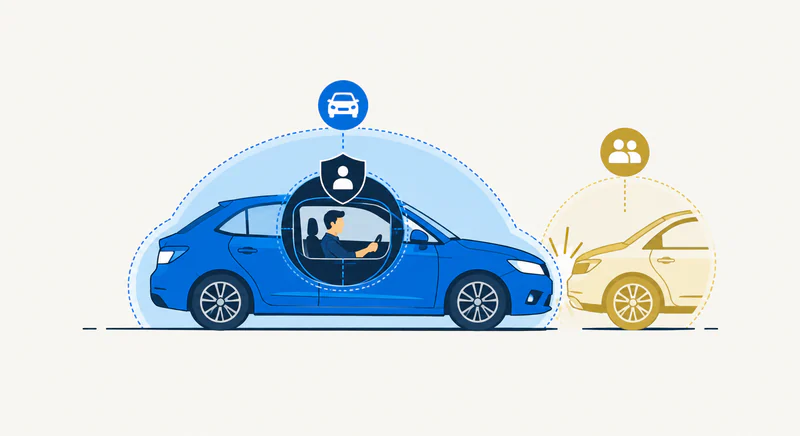
In Israel there are three main layers of car insurance: mandatory (bodily injury), third-party (property damage to others) and comprehensive (your own car plus third-party property). The labels sound similar, but what they actually cover is very different. The right choice depends on the car's value, how you drive, your family situation and — always — the specific policy terms.

Coverage types

Mandatory, third-party and comprehensive — what each cover usually includes

Mandatory

Mandatory insurance (Hova)

Statutory cover for bodily injury.

Usually covers

  • Bodily injury to the driver, passengers and pedestrians in a road accident, under Israeli no-fault law.
  • Payment through the vehicle's insurer, independent of who was at fault.

Usually does not cover

  • Property damage to your car or to anyone else's property.
  • Theft of the vehicle, fire damage or natural-disaster damage.
  • Loss of vehicle value, replacement car rental or related expenses.
Third party

Third-party insurance (Tzad Gimmel)

Cover for property damage caused to others.

Usually covers

  • Damage to someone else's property — usually a third-party vehicle — subject to the policy terms.
  • Sometimes damage to other non-vehicle property, depending on the policy.

Usually does not cover

  • Damage to your own car, unless a dedicated extension is added to the policy.
  • Theft, fire and natural-disaster damage to your own car.
  • Criminal liability or traffic fines.
Comprehensive

Comprehensive insurance (Makif)

Broader cover for your car plus third-party damage.

Usually covers

  • Accident damage to your own car, subject to the policy terms and the deductible.
  • Theft, fire and natural-disaster damage, where included in the policy.
  • Third-party property damage similar to a third-party policy.

Usually does not cover

  • Events excluded by the policy terms.
  • Loss of income or expenses not listed in the policy, unless add-ons are purchased.
  • Drivers not listed in the policy, subject to the driver-restriction clause.

This is general information only. The exact scope, exclusions and deductibles are defined in the specific policy and by current Israeli law. Review the policy and consult a professional before deciding.

What affects the price of car insurance?

The premium is set by the insurer based on a risk profile. Below are the most common factors — without promising any specific rate.

  • Driver age and experience

    Young and new drivers usually face higher rates because their statistical accident risk is higher.

  • Claim history

    Past claim frequency and severity affect the premium and your eligibility for a no-claims discount.

  • Car make and model

    More expensive cars or cars more prone to theft are usually more expensive on comprehensive cover. An old, low-value car may not justify a comprehensive policy.

  • Cover type

    Mandatory alone is cheaper than mandatory plus comprehensive. Third-party sits in between.

  • Deductible

    A higher deductible may reduce the premium but increases what you pay at claim time.

  • Driver restrictions

    A policy limited to older or more experienced drivers may be cheaper, but must reflect actual use of the car.

  • Safety and anti-theft systems

    Approved anti-theft, alarm systems, dashcam and similar features may affect the rate, subject to the insurer's requirements.

  • How the car is used

    Use for work, high annual mileage, street vs. private parking — all of these may influence the premium.

Young or new drivers — what to keep in mind

A policy for a new driver is usually more expensive, but that does not mean cutting back on meaningful cover. You can reduce the premium with driver restrictions, a higher deductible or by choosing a less theft-prone car — but every choice must reflect actual use. Hiding the real driver can void a claim.

  • Driver restrictions: only useful if the new driver really does not drive the car. Hiding it can ground a claim rejection.
  • Deductible: choose an amount you can comfortably absorb after an accident before going for a high deductible.
  • Vehicle choice: a less expensive or less theft-prone car directly affects the premium.
  • Young-driver tracks differ between insurers: the same profile can be priced differently from one company to another.
  • Mandatory insurance: must be in force for lawful use of the vehicle.

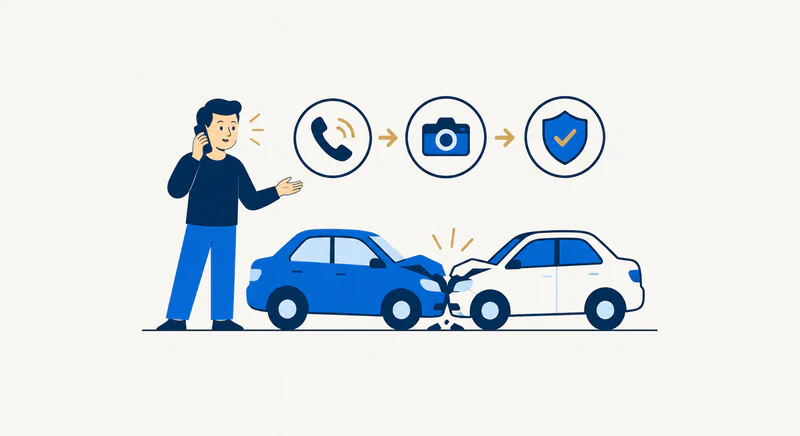
What to do after an accident — the basic steps

Basic civic and insurance steps after any accident. The order may vary depending on severity and on the policy terms.

  1. 1

    Safety and medical care first

    Check that nobody is injured. In emergencies, call Magen David Adom (101) and the police (100). Moving the car or exchanging details can wait until immediate medical needs are handled.

  2. 2

    Exchange details with the other party

    Collect names, phone numbers, license plate, insurer and policy number. Do not accept or deny liability at the scene — that is the insurer's decision.

  3. 3

    Document the scene

    Photograph the vehicles from every angle, their position on the road, skid marks, traffic lights and signs. Visual documentation helps establish what happened.

  4. 4

    Witnesses where relevant

    If anyone saw the accident, ask for their name and phone. Independent witness statements can support a claim later.

  5. 5

    Notify your agent or insurer

    Report the event quickly to your agent or the insurer's claims centre. They will guide you on the forms required and the time frame.

  6. 6

    Police report when required

    Where there is bodily injury, public-property damage or an ongoing dispute, a police report is required. An online traffic-accident report service is available on gov.il.

  7. 7

    Keep documents and invoices

    Save documentation of repair, towing, replacement car and any medical treatment. These may be needed for the claim.

When to claim — and when to think twice

Not every event justifies a claim. The question depends on repair cost versus deductible, on the impact on your no-claims discount and future premium, and on whether the policy or law requires reporting. Never avoid reporting where it is required by the policy or by law.

  • Compare the repair cost against the deductible.
  • Check whether a claim would affect the no-claims discount at next renewal.
  • Always report bodily injury, public-property damage, pedestrian impact or significant damage.
  • Always report theft, fire and natural-disaster events.
  • For very minor incidents below the deductible, discuss the reporting decision with the agent.
Car Insurance — Frequently Asked Questions

What is the difference between mandatory and comprehensive insurance?

Mandatory insurance covers bodily injury to the driver, passengers and pedestrians in a road accident, under Israeli law. It does not cover property damage to your car or to anyone else's car. Comprehensive insurance is a broader additional layer that usually covers accident damage to your own car, theft, fire and natural disasters, and often third-party property damage as well — all subject to the policy terms.

Do I need mandatory insurance to drive legally / for the annual test?

Valid mandatory insurance is required for lawful use of the vehicle under Israeli law. Its status appears in the vehicle's official records and must remain active for the time you use the car. The exact requirements around vehicle license renewal and the annual test are listed on the Ministry of Transport website.

What does third-party insurance cover?

Third-party insurance usually covers property damage you cause to others — typically the other party's vehicle, and sometimes other property — subject to the policy terms. It does not cover damage to your own car unless a dedicated extension is added. Bodily injury to third parties is handled under the mandatory cover according to Israeli no-fault law.

Is comprehensive insurance worth it for an older car?

It depends on the car's value, theft exposure, how it is used and the deductible. When the car's market value is significantly lower than the annual comprehensive premium, mandatory plus third-party is sometimes considered enough. The decision is personal — review the numbers with an agent who knows the full picture.

How long does a third-party claim take to settle?

There is no single timetable. Settlement depends on the complexity of the event, gathering evidence, agreement on the circumstances and negotiation between the insurers of the two parties. Simple events may take a few weeks; complex events can take months. An agent who knows your file can help move the process along.

What affects the price of car insurance?

The insurer sets the premium based on a risk profile. Main factors: driver age and experience, claim history, car make and model, cover type, deductible, driver restrictions, safety and anti-theft systems, and how the car is used. Different insurers can price the same profile differently.

Car Insurance in Israel: Mandatory, Third-Party and Comprehensive | Edi Efraimov